
Community
participation.
Community participation support helps you take part in the social, community and leisure activities you choose. A worker supports you during the activity and can help you build skills to do more on your own.
 Community participation
What this support
can include.
01Seeing friends and family
Support to visit family and friends, meet someone for coffee, or go to the movies or a concert. You choose where you go and who you spend time with.
02Hobbies, sport and classes
Joining a club, playing a sport, or learning something new like art, dance or cooking. A worker can help you take part, for example by helping you get changed or follow the teacher's instructions.
03Community, cultural and civic life
Going to community groups, cultural or religious events, local meetings or volunteering. The NDIS describes this as taking part in community, social, cultural and civic activities.
04Building skills and confidence
Practising things like planning an outing, handling money, talking with new people or finding your way around. Support can be short-term to get you started, or ongoing if you need it.
05Connections outside paid support
Finding groups, clubs and volunteer programs you can join with less paid help over time. Your my NDIS contact or support coordinator can also help you find these.
What to know before you start.
Who community participation is for
This support is for people with disability who need extra help to take part in activities because of their disability. That might be help with confidence or anxiety, communication, personal care or getting around during the activity.
For adults, the NDIA does not expect parents to take you to and from social activities. For children, parents are usually expected to help, and the NDIA looks at whether a child needs more support than other children the same age.
How community participation is funded in your NDIS plan
This support usually comes from your Core supports budget, in the category Core – Assistance with Social, Economic and Community Participation. The NDIS website also calls it assistance with social and community participation. Core funding is flexible, so you can use it across your core categories to work towards your goals.
Skills training, such as life skills or learning to use public transport, may come from your Capacity Building budget instead. Examples are Increased Social and Community Participation or Improved Daily Living.
Whether it's funded depends on your plan and what the NDIA agrees is reasonable and necessary. The support must relate to your disability and help you pursue the goals in your plan. Maximum prices differ by time of day and day of the week.
What you pay for yourself
The NDIS can fund the extra help you need because of your disability, not the activity itself. NDIA guidance and the list of supports that are not NDIS supports say you pay for things like:
- Entry fees, tickets, memberships and registration fees.
- Standard equipment, like a tennis racket or soccer shoes.
- Holidays and holiday travel.
- Extra costs of competing at an elite or professional level.
What to expect when you start
We start by talking about what you enjoy, what you want to try and what gets in the way now. Contact us on 1800 148 857, at admin@heartforcare.com.au, or through the online form.
You fill in an intake form and sign a written service agreement before support begins. We complete a risk assessment and write a support plan with your goals and planned activities. We match workers to your needs and preferences, which can include shared interests. Your plan is reviewed regularly and when your goals or needs change, and you can give feedback or complain to us or the NDIS Quality and Safeguards Commission.
Information checked against official NDIS sources in October 2026. Your plan and the NDIS rules decide what can be funded.
Getting started with this support.
- 01
Tell us what you need
Share your goals, location and the support you’re looking for.
- 02
Talk through the options
Discuss suitable support, funding and availability with our team.
- 03
Choose how to proceed
Decide on your next step with the information you need.
Before support starts, ask about availability, costs and your agreement. What to check
Questions people ask.
Have another question? Ask our team.
/01What is community participation in the NDIS?
It is support to take part in community, social, cultural, civic and recreational activities. A worker can support you during the activity or help you build the skills to take part. It is usually paid from the Core – Assistance with Social, Economic and Community Participation category.
/02Does the NDIS pay for activity costs like tickets or memberships?
No. NDIA guidance says you pay for things everyone pays for, like entry fees, tickets, memberships and standard equipment. The NDIS may fund the extra support you need to take part.
/03Can I use community participation to visit family?
Yes, visiting friends and family is one of the social activities NDIA guidance lists. The support must relate to your disability and help with the goals in your plan.
/04What is the difference between community participation and capacity building?
Community participation in your Core budget pays for support during activities. Capacity building pays for training to build skills, such as life skills or public transport training, so you can do more yourself over time.
Related support.
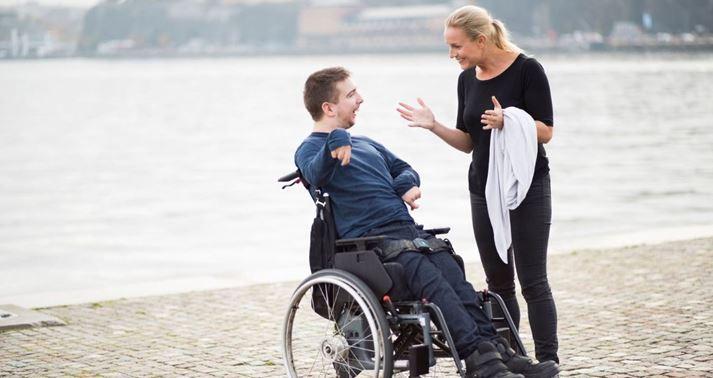
Transport
Get to appointments, shopping, work and social activities.
Explore this support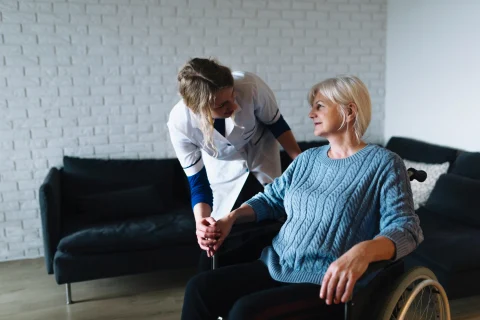
Personal care
Help with bathing, dressing and your daily routines.
Explore this support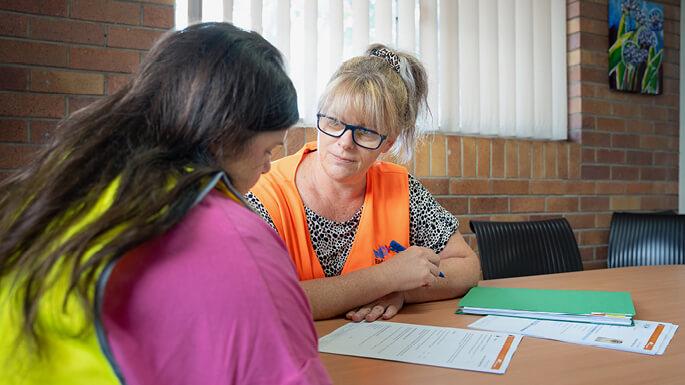
Support coordination
Understand your plan and connect with suitable providers.
Explore this support